


Is a long distance marriage right for you? This article looks into the emotions long-distance relationships and whether you are ready for the leap.

Wondering if you’re married to a narcissist? Learn the signs, emotional impact, and how 24-hour online divorce coaching can help you find clarity and peace.

Divorce can be one of the most stressful experiences in life, but with the right strategies and support, it doesn’t have to be overwhelming. Here are eight essential life coaching techniques that can help you manage stress and navigate through the complexities of divorce gracefully.

Marriage advice is often seen as a tool for improving personal relationships, but it can also play a significant role when couples face legal proceedings. Whether you’re going through a divorce or separating, understanding how advice from marriage counseling can impact legal outcomes is crucial.
The post How Does Marriage Advice Influence Legal Proceedings? appeared first on DivorcePlus.

Divorce is tough, not just for the couple involved but also for their children. Navigating the waters of co-parenting can be challenging, but with the right guidance, it can become a collaborative and nurturing experience for everyone. Divorce coaching can be a valuable resource in achieving this. Let’s explore how it can enhance co-parenting relationships.
The post 9 Ways Divorce Coaching Can Improve Co-Parenting Relationships appeared first on DivorcePlus.
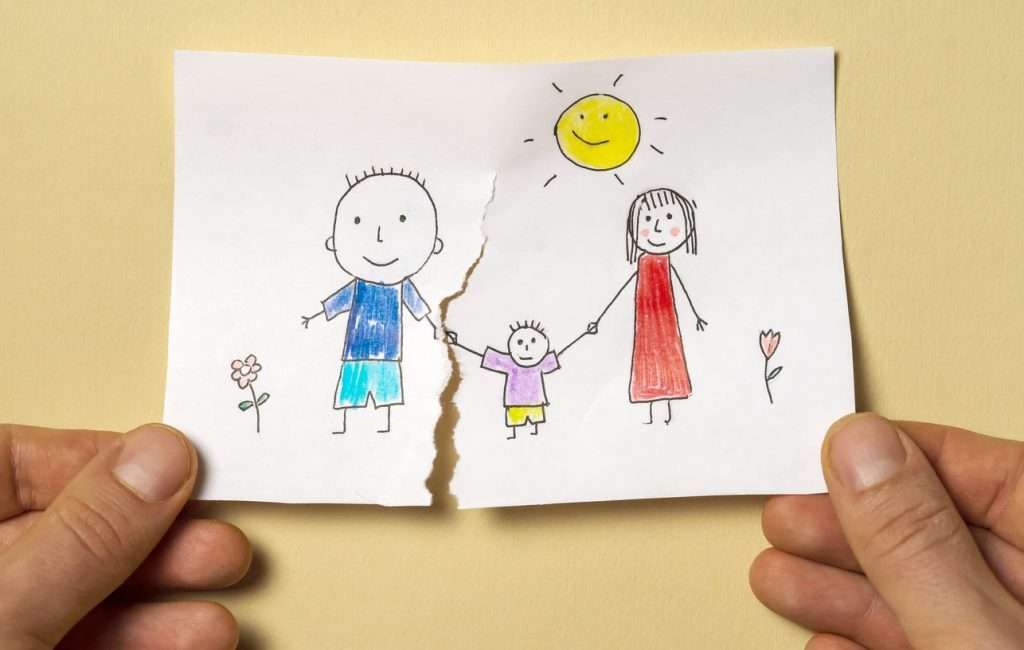
Divorce is often difficult, but when children are involved, co-parenting becomes an essential focus. Many couples find that marriage advice can offer valuable insights and strategies for improving their co-parenting relationship. Let’s explore how marriage advice can transform the way you work together as co-parents.
The post How Can Marriage Advice Improve Co-Parenting After Divorce? appeared first on DivorcePlus.

Navigating a divorce can feel overwhelming and fraught with emotion. But with the right expert guidance, the journey can be made significantly smoother and more manageable. This blog explores the different ways in which professional support can provide clarity and peace of mind during this challenging time.
The post How Expert Guidance Can Ease Your Divorce Journey appeared first on DivorcePlus.

Navigating the complexities of divorce can be emotionally draining and incredibly stressful. Thankfully, with the rise of online support, seeking guidance has become more accessible than ever. Consulting a divorce coach online offers unique benefits that can help ease your journey through this challenging time.
The post The Benefits of Consulting a Divorce Coach Online appeared first on DivorcePlus.

Family conflicts can be challenging and distressing for everyone involved. When emotions run high, finding a peaceful resolution often seems impossible. Family mediation is a structured process that offers a constructive way to address these disputes. This blog will guide you through how mediation can effectively help in reducing family conflicts.
The post How Can Family Mediation Help Reduce Conflict? appeared first on DivorcePlus.

Divorce can be one of life’s most challenging events, affecting not only your legal and financial situation but also your mental and emotional well-being. To navigate this difficult path with strength and clarity, it’s vital to develop mental strategies that promote a healthier transition. In this blog, we’ll explore essential techniques to support you through the process, ensuring you’re better equipped to handle the emotional rollercoaster of divorce.
The post Building Mental Strategies for a Healthier Divorce Process appeared first on DivorcePlus.