


You love them. You'd choose them again in a heartbeat. And yet, lately, the goodnight call feels like one more thing on your to-do list, the time-zone math is exhausting, and you catch yourself a little numb where the butterflies used to be. That worn-down feeling has a name: long distance fatigue. Long distance fatigue is the emotional and physical burnout that builds up when a relationship runs on screens, schedules, and waiting instead of everyday closeness. It's part loneliness, part decision-fatigue, and part something deeper that researchers call touch starvation —the very real toll your body takes when you go too long without the casual physical contact most couples never have to think about. None of it means your relationship is broken. It means you're human, and distance is hard. The good news? Fatigue is a phase, not a verdict. Let's talk through the questions people ask us most, so you can name what you're feeling and do something about it. What is the 777 rule for long-distance relationships? The 777 rule is a simple rhythm borrowed from couples therapy circles and tweaked for life apart. The original version goes like this: every 7 days , go on a date; every 7 weeks , get away together overnight; and every 7 months , take a longer trip just for the two of you. The whole point is to protect intentional time together before the daily grind quietly crowds it out. For long-distance couples, you adapt the numbers to your reality. Every 7 days, schedule a real date—not a distracted "what are you doing right now" call, but cooking the same recipe over video, watching a movie in sync, or playing a game together. Every 7 weeks, do something that breaks the routine: a themed virtual night, a surprise care package, or a deeper check-in about how you're both actually doing. Every 7 months (or as often as your budget and miles allow), close the gap in person. A word of honesty: the 777 rule isn't backed by hard science, and relationship experts caution that it can't fix deeper problems on its own. Think of it as scaffolding. It tells you when to show up. You still have to fill that time with genuine connection rather than just checking a box. What are the signs a long-distance relationship is failing? Distance amplifies everything, so it helps to know the difference between a rough patch and a real warning sign. A few of the patterns worth paying attention to: Communication is shrinking, and nobody seems to mind. The calls get shorter and rarer, and the effort to reconnect just isn't there from one or both of you. There are no plans to actually see each other. You once aimed for visits every month or two, and now months slide by with no trip on the calendar and no urgency to make one. The "someday" plan has gone fuzzy. Couples without a clear timeline for eventually closing the distance tend to struggle the most. If "when do we finally live in the same place?" gets met with a shrug, that's worth a serious conversation. You're drifting into separate lives. Your goals, values, or visions of the future stop lining up, and you start feeling more like friendly pen pals than partners. It's all conflict or all dread. Constant fighting, or a gut feeling that keeps you up at night, is your intuition asking to be heard. One sign on its own usually isn't a death sentence—it's an invitation to talk. It's the steady combination, especially when neither person is reaching for repair, that signals real trouble. What are the emotional stages of a long-distance relationship? Most long-distance couples move through a recognizable emotional arc. Knowing the map makes the hard parts feel less like failure and more like terrain. The honeymoon-at-a-distance. Early on, absence actually heightens the romance. Communication is intense, every reunion is electric, and your partner stays a little idealized because the mundane friction of daily life simply isn't there yet. It feels amazing—and it's temporary. The reality check. The novelty fades and the logistics set in. Time zones, missed calls, and the plain ache of not being there start to outweigh the excitement. This is where the real questions surface: Can we do this? For how long? Loneliness, doubt, and the hard feelings. This is the stage long distance fatigue calls home. Frustration, jealousy over a partner's fun-looking social posts, and waves of loneliness are all normal here. It's also where small things spark disproportionate fights. Reorientation. The couples who make it learn to build a full life and a relationship at the same time—leaning on friends, hobbies, and routines rather than putting everything on hold. Trust deepens because it has to. Resolution. Eventually the distance ends, one way or another: you close the gap and build a life together, or you lovingly decide the road isn't shared anymore. Stages aren't a ladder you climb once. You may loop back through them—and that's okay. What is the 65% rule in relationships? Here the science gets interesting. A large study published in the Journal of Personality and Social Psychology found that relationship satisfaction tends to slip over time for everyone, but it drops much more sharply in couples headed for a breakup. The researchers identified a kind of tipping point: couples tend to separate when satisfaction falls below roughly 65% of the maximum possible . There's also a popular companion idea sometimes called the "65% rule of breakups"—the observation that one partner often emotionally checks out long before the relationship formally ends. By the time one person says "I'm done," they may be on day sixty-five of grieving while the other is on day one. The takeaway for long-distance couples isn't to start scoring your love out of 100. It's this: satisfaction is a signal worth watching. If you're consistently happy only a fraction of the time, that's not nagging—it's data. Talk about it early, while the number is still climbable. What are the hardest months in a long-distance relationship? Research points to a couple of predictable danger zones. In one study of long-distance couples, the four-month mark stood out as especially fragile—it's around then that the early adrenaline wears off and the slog sets in. The encouraging flip side: couples who pushed through to roughly the eight-month mark were far more likely to go the distance. The other surprising stretch is the first three months after you finally reunite . It sounds backwards, but a notable share of long-distance couples break up shortly after closing the gap, because living together day-to-day is a completely different skill than loving each other from afar. The idealized partner meets the real, dish-leaving, bad-mood-having human—and that adjustment takes grace. You're not broken—you're tired Long distance fatigue is the predictable cost of loving across miles, not proof you chose wrong. Name what you're feeling, protect your time together, keep the "someday" plan concrete, and be honest when the well runs low. Distance tests a relationship, but plenty of couples come out the other side stronger for having weathered it—together. If the distance is taking a serious toll on your mood, sleep, or sense of self, that matters too. Talking with a therapist or counselor can help you sort the fatigue from something that needs more support.

Identify signs of a narcissistic spouse & get support. Find your coach for guidance through divorce challenges.

Is a long distance marriage right for you? This article looks into the emotions long-distance relationships and whether you are ready for the leap.

Wondering if you’re married to a narcissist? Learn the signs, emotional impact, and how 24-hour online divorce coaching can help you find clarity and peace.

Divorce can be one of the most stressful experiences in life, but with the right strategies and support, it doesn’t have to be overwhelming. Here are eight essential life coaching techniques that can help you manage stress and navigate through the complexities of divorce gracefully.

Marriage advice is often seen as a tool for improving personal relationships, but it can also play a significant role when couples face legal proceedings. Whether you’re going through a divorce or separating, understanding how advice from marriage counseling can impact legal outcomes is crucial.
The post How Does Marriage Advice Influence Legal Proceedings? appeared first on DivorcePlus.

Divorce is tough, not just for the couple involved but also for their children. Navigating the waters of co-parenting can be challenging, but with the right guidance, it can become a collaborative and nurturing experience for everyone. Divorce coaching can be a valuable resource in achieving this. Let’s explore how it can enhance co-parenting relationships.
The post 9 Ways Divorce Coaching Can Improve Co-Parenting Relationships appeared first on DivorcePlus.
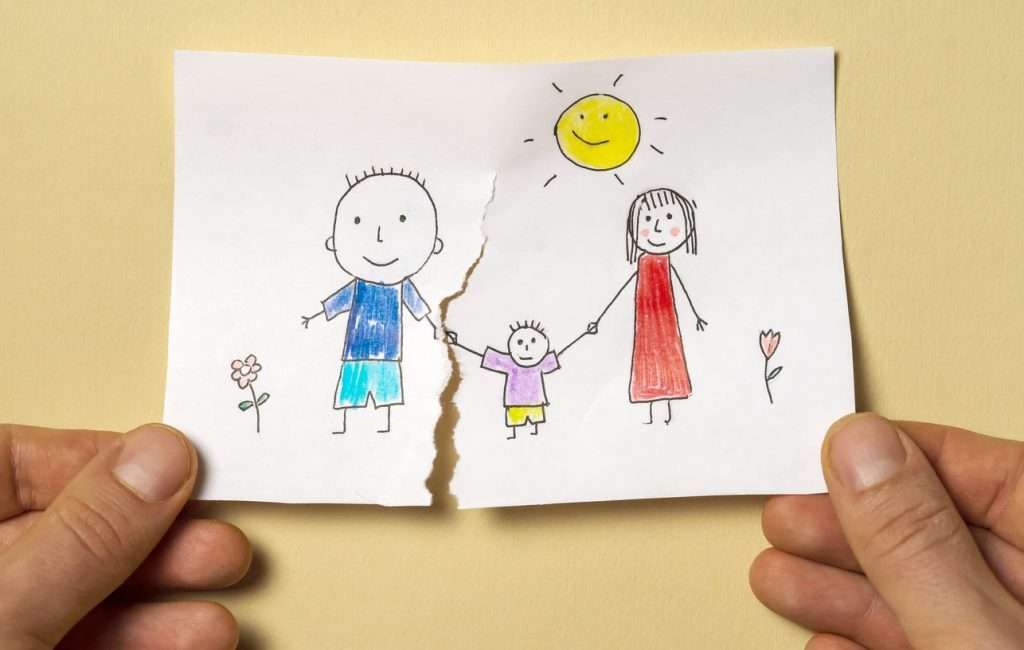
Divorce is often difficult, but when children are involved, co-parenting becomes an essential focus. Many couples find that marriage advice can offer valuable insights and strategies for improving their co-parenting relationship. Let’s explore how marriage advice can transform the way you work together as co-parents.
The post How Can Marriage Advice Improve Co-Parenting After Divorce? appeared first on DivorcePlus.

Get expert guidance for your divorce journey. Find your coach today for emotional & co-parenting support.

Navigating the complexities of divorce can be emotionally draining and incredibly stressful. Thankfully, with the rise of online support, seeking guidance has become more accessible than ever. Consulting a divorce coach online offers unique benefits that can help ease your journey through this challenging time.
The post The Benefits of Consulting a Divorce Coach Online appeared first on DivorcePlus.