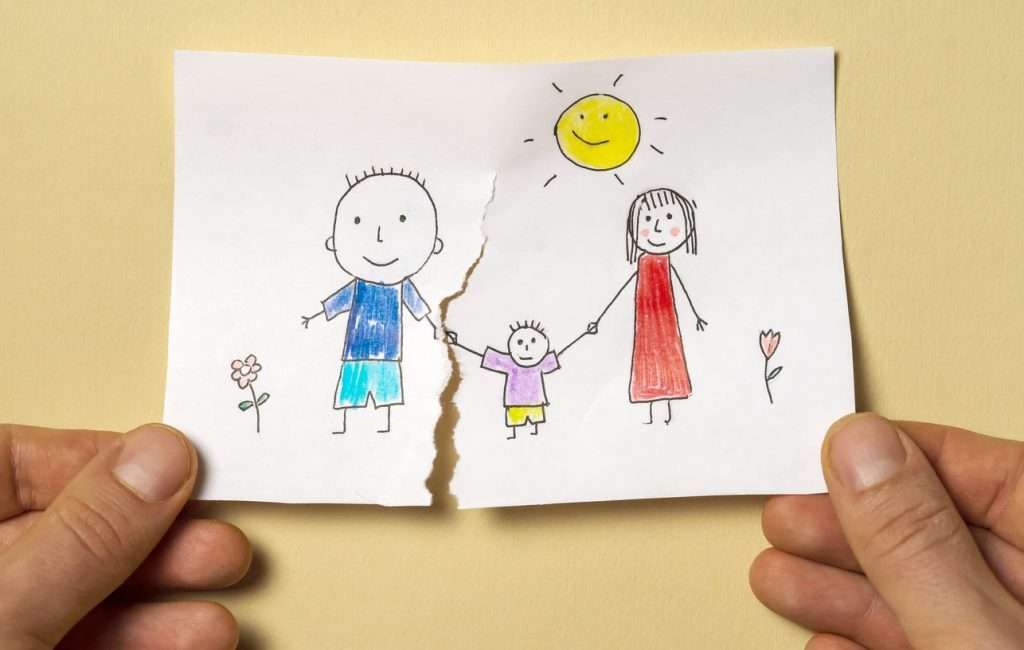
Love and companionship are a journey that giving is often seen as the highest form of expression possible. However, when does this giving become too much, turning from a gesture of love into a potential recipe for divorce? This question dawns on many people only when they find themselves in the deep end, wondering where it all went wrong. Though generosity and selflessness are good qualities; lavishness in relationships can create disharmony leading to separation.
Consequences of Over-Giving
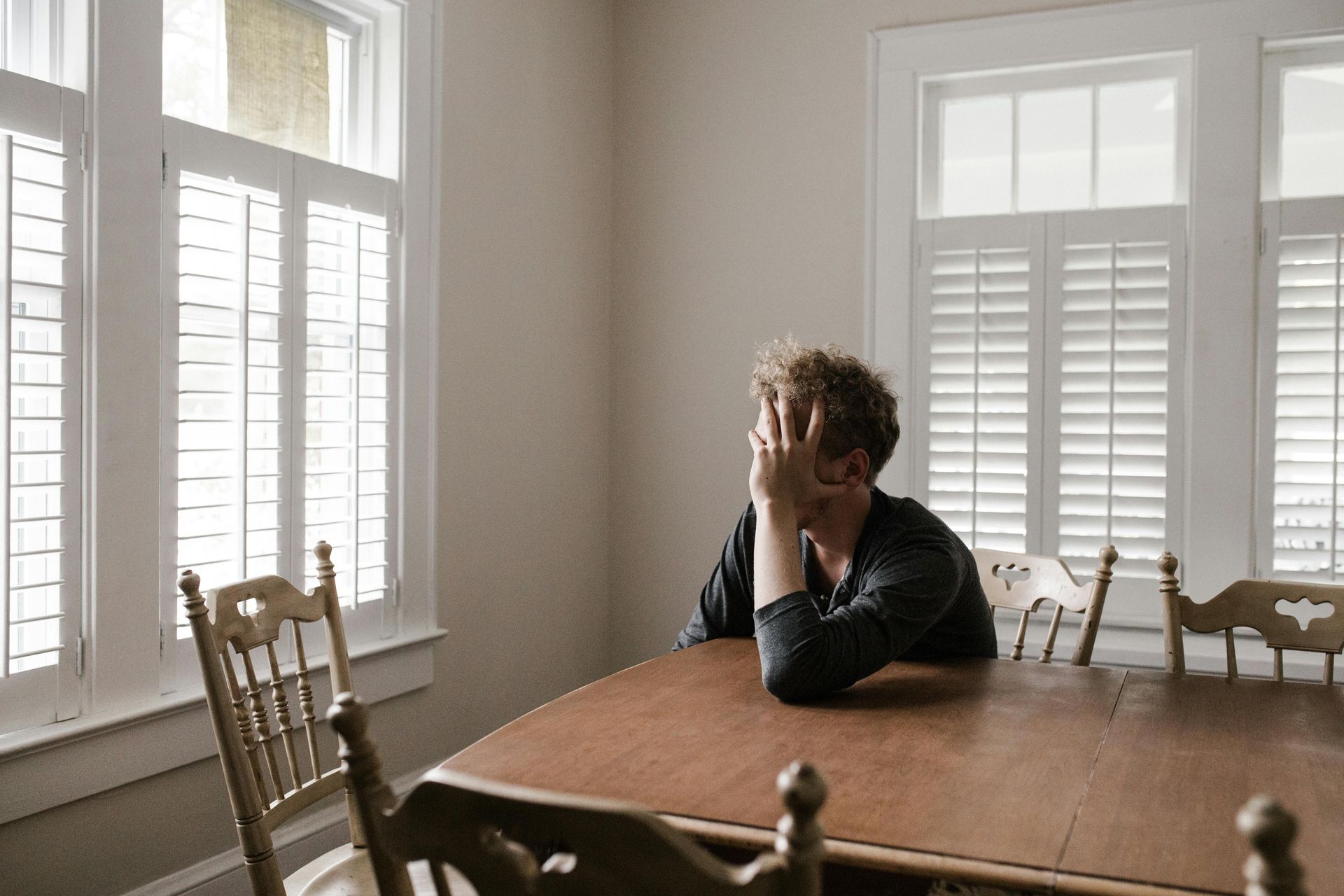
You may think that you are building a stronger bond by always putting your partner’s needs before your own. Nevertheless, this imbalance can lead to emotional exhaustion and loss of one’s identity. The giver may feel unappreciated and neglected which fosters an environment thriving with resentment. In contrast, the receiver might feel guilty or under pressure and unable to reciprocate equally thereby creating distance between two individuals. Over time however such emotions have been known to corrode the foundation of relationships.
Indicators That You Are Over-Giving
It is not always easy for someone to know they give too much. Signs include feeling constantly drained, neglecting your own needs, or feeling that your efforts aren’t appreciated. If your relationship feels one-sided where you make all the sacrifices it becomes clear that there is an imbalance involved. These signs must be recognized early enough so as avoid over-giving cycle resulting deeper problems later.
The Psychology behind over Giving
In order to address the root causes and find sustainable solutions, it is important to understand the psychology of over-giving in relationships. This kind of behavior often results from a web of emotional needs, past experiences and psychological patterns that make certain individuals prioritize their partner’s happiness over their own sometimes causing personal harm.
Origins of Over-Giving
The inclination to give too much can stem from various life cycles such as childhood experiences. Those brought up in environments where love and attention were conditional or inconsistent may learn to relate giving with receiving love and validation. Such thinking may persist into adulthood wherein they feel an overwhelming need to please others in order for them to be worthy of love.
Fear of Abandonment and Rejection
At times, deep-seated fear of abandonment or rejection forms the basis for over-giving. By constantly giving, individuals believe they can make themselves indispensable to their partners, thus securing their place in the relationship. Such people neglect themselves and lose sight of their boundaries all in the name of trying not to risk losing what they have.
Low Self-Esteem and Self-Worth
Over-givers may suffer from low self-esteem and self-worth. They believe that being who they are is simply not enough; hence, they must keep showing how valuable they are through acts of giving. As a result, this mentality puts them into a pattern where they depend on validation from how much they do for somebody else leaving out their own needs other desires.
The Role of Society and Culture
Some social norms encourage over-giving among people. Many cultures emphasize selflessness and caregiving especially when it comes to women as characteristics that would define good partners. These cultural expectations put pressure on individuals making them assume that excessive giving is one way towards a successful relationship built on love.
The Impact of Past Relationships
People’s previous encounters can highly influence whether one ends up being an over giver or not. People who suffered loss, betrayal
or unreciprocated love from past relationships may give too much in subsequent ones. It is possible that they are thinking that by giving more, they can avoid past pains not knowing that this inequality leads to new forms of relationship strain and dissatisfaction.
Breaking the Cycle
Recognizing the reasons for over-giving is the first step toward breaking the cycle. It requires self-examination and discovery that may not always be comfortable. Working with a life
or divorce coach can help you understand why it keeps happening. Building a stronger sense of self-worth, setting healthy boundaries and communicating needs effectively are important for stopping this pattern.
Relationships are about give and take, and partners should feel valued and appreciated for who they are, and not measured by what they give. Understanding these causes of excessive giving would enable people towards healthier, more balanced and fulfilling relationships.
The Way Forward
The first step towards stopping this cycle of over-giving is admitting that there is a problem. Open communication with your partner is essential. Tell your partner how you feel and discuss ways of re-establishing balance within your relationship. Relationship boundaries promote your well-being as well as the stability of the relationship.
Sometimes relationships break down despite best intentions. If divorce is on the horizon, consider reaching out to a divorce coach
or other professional
for a helping hand. Look for resources
that provide legal advice
, emotional support, and other useful tips that will enable you to form a well thought out decision in your journey for recovery and independence.
Conclusion
Thus, giving too much in a relationship can actually lead to separation. Nevertheless, recognizing these signs and having an understanding of what’s going on subconsciously can help create space for healthier dynamics. This entails dialogue, creating boundaries or seeking help outside so as to restore order or exit with honor from such relationships. Remember, it is not about less giving but more about offering that facilitates mutual respect, appreciation and love.
While sailing in this ocean remember you are not alone. So never mind there are resources available to assist you even if you want your relationship recovered or desire them to start all over again. Sharing this feeling means helping each other become better people rather than pulling each other back down through life which is supposed to be a journey together. If we follow these principles as they are understood, we lay a solid foundation for relationships that don’t just survive but thrive instead.