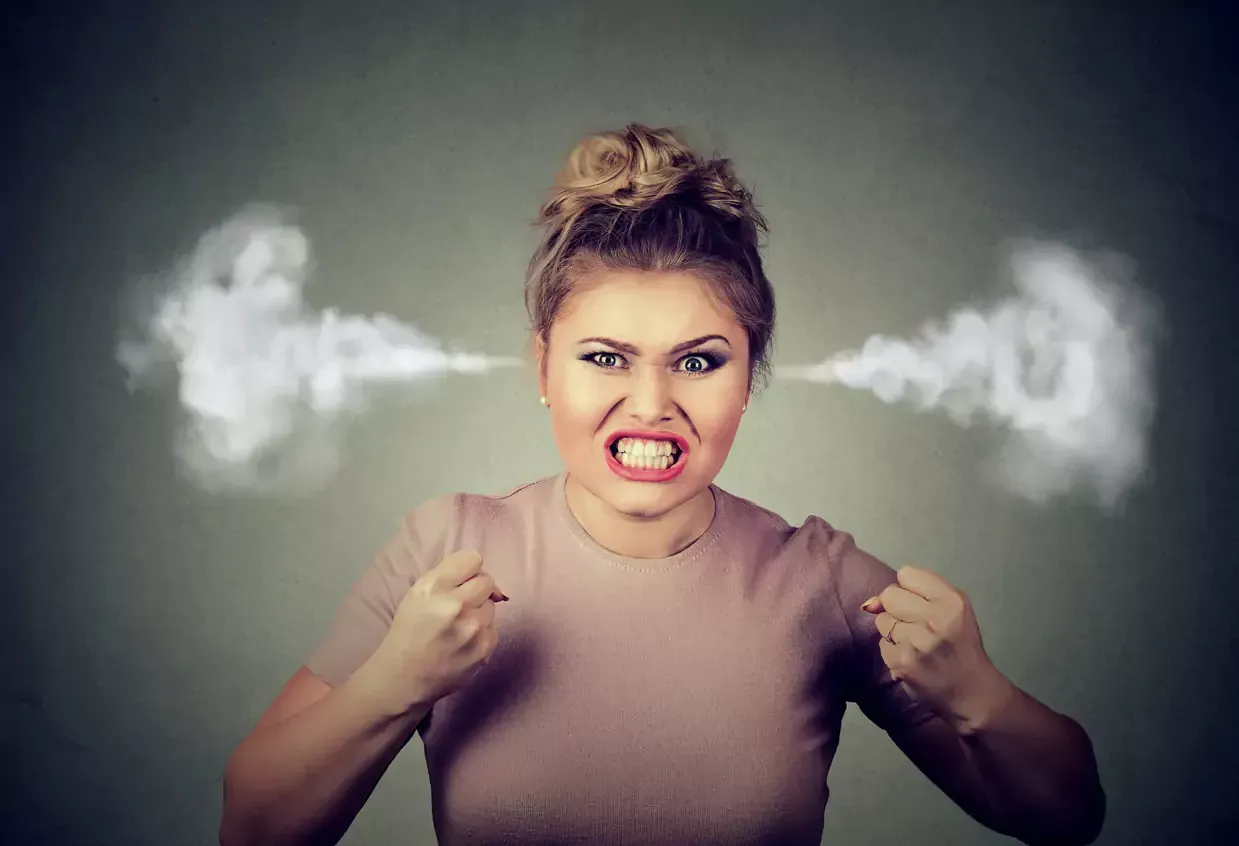
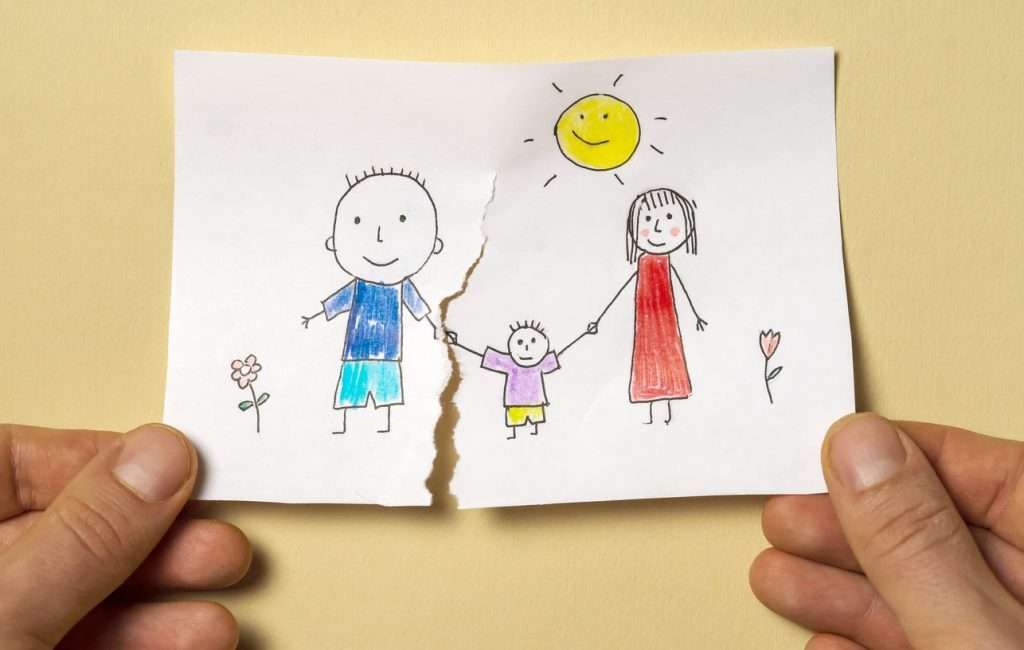
Relationships are packed with confusing and conflicting emotions, sometimes making the distinction between love and hate difficult. Are you facing relationship challenges, thinking about divorce
or trying to understand your feelings better? Then this blog is for you. We will discuss what people mean when they say there is a fine line between love and hate, whether one can feel both at the same time as well as how to tell them apart.
Who Said There’s a Thin Line Between Love and Hate?
The phrase “there’s a thin line between love and hate” has been around for many years now. Nobody really knows who first coined it; however it captures something true that many of us know too well: sometimes being in love feels almost like hating someone else. This is particularly relevant when highly charged emotions are concerned in relationships.
What Does the Thin Line Between Love and Hate Mean?
Usually when talking about the thin line between love and hate, one is referring to how quickly one emotion could shift to another. At some point deep affection may turn into anger or even resentment in close relationships. It’s not that love goes away; it merely gets eclipsed by other powerful sentiments. This is quite confusing and overwhelming especially when one cares so much about an individual.
Is It Possible to Love and Hate Someone at the Same Time?
Certainly! You might think that loving while hating someone simultaneously isn’t normal, but it happens more frequently than you would think. In long term relationships where people share a lot together, this duality often manifests itself. While you might adore your partner, there may be certain things they do that make you very angry with them too sometimes however; such mixed feelings are part of human nature.
Two Sided Emotions
Human emotions are complex. Love and hate are equally strong emotions but they can happen simultaneously because they come from the same deep bond with someone. Loving somebody is exciting and frighting, and includes exposing your own vulnerabilities. During a relationship, we open ourselves to show the other person who we are, but in doing so, you may feel anxiety, fear, and frustration
in perceived lack of attraction or acceptance.
Why This Happens
The closer two people are, the more likely their expressed sentiments will wane from one extreme to another point on an emotional scale. There are several causes why this happens:
High Expectations
: When one loves someone else; there is usually a lot of hope and expectations that are easily unmet.
Close Proximity:
Sometimes spending too much time with someone can magnify both their positive characteristics and failings leading to ambivalent feelings.
Unresolved Issues:
Past fights or unresolved concerns can lead to lingering resentment even when we feel great love.
Emotional Investment:
The more emotional one is towards somebody, the bigger the reaction they receive from his/her actions.
Is Love More Powerful Than Hate?
Most people view love as a stronger emotion because it is constructive and healing. It brings people together and creates positive connections. Conversely, hate tends to be destructive leading to pain and separation. However, the two emotions are strong and can have great impact on us. The trick lies in learning how to manage these feelings in a healthy manner.
What is the Emotion Between Love and Hate?
Ambivalence is what characterizes the space between love and hate that refers to having mixed feelings about someone or something. In relationships, this might mean loving your partner while at the same time being frustrated with them. Ambivalence here implies that you have a complex relationship full of depth which has some significance for you.
How Can I Tell the Difference?
It can be difficult to tell whether something is love or hate especially when feeling so strongly about things. Some of they ways you can distinguish between them are:
Think Over Your Emotions:
Give yourself some time to think why you feel a certain way; is it out of anger from deep inside you or what else could be going on?
Tell Your Partner:
Talk out your feelings with your partner; this will enable better understanding and help in dealing with your emotions. Communication is key.
Professional Guidance:
Sometimes looking for a fresh perspective from marriage
or life coaches
may help provide insight as well as techniques for coping with them.
Look Out For Patterns:
Look for common occurrences in your relationship. Are you always changing between love and hate? Knowing these patterns can help you solve hidden problems.
Conclusion
Understanding the fine line between love and hate is essential for anyone trying to move through a relationship. By reflecting on your emotions, communicating openly, and seeking professional support, you can manage these powerful feelings and make informed decisions about your relationships. Remember that no matter what happens in your journey; it does not mean that you are alone in it.