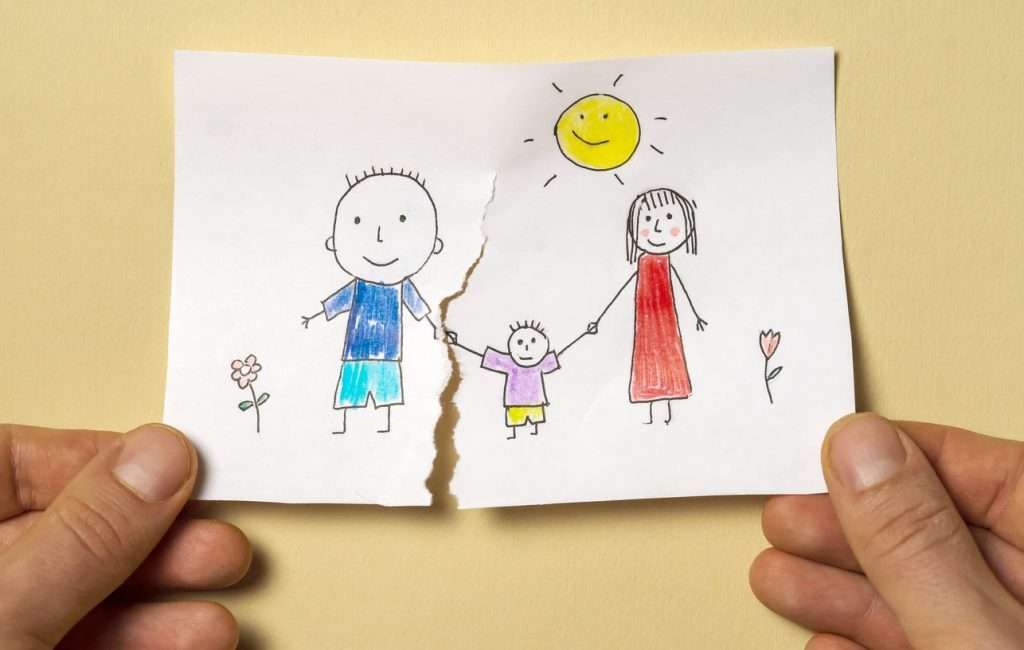
Divorce is not just the end of a marriage; it’s the end of the life you once knew and imagined. Emotionally, it’s like going through the stages of grief. These stages don’t always come in order; you might jump back and forth or feel more than one at a time.
What Are the Emotional Stages of Divorce?
1-Denial
At first, denial can take over. It’s like your mind is saying, “This can’t be real.” You might find yourself thinking, “This is just a bad dream,” or “We’ll fix things soon.” Denial is your brain’s way of protecting you from the shock. But staying in this stage for too long can keep you from facing reality and moving forward.
Accepting that it’s okay to feel lost or confused. Talk to someone you trust or start journaling your thoughts. Facing reality doesn’t mean you’re okay with it—it just means you’re starting to accept it. If you need extra help, consider speaking to an online divorce coach
who can help guide you through this process.
2-Anger
Once reality starts to sink in, anger often comes up next. You might be mad at your spouse for causing you pain, angry at yourself for not seeing the signs earlier, or even angry at life for throwing you this curveball. Anger is a normal reaction
when you feel hurt, betrayed, or powerless.
Find healthy ways to let out that anger. Exercise, whether it’s running, boxing, or yoga, can help release some of that pent-up frustration. Talking to a professional, like an online life coach
, can also help you channel that anger in a positive way. Venting to a friend can feel good too, but try to avoid venting on social media
—it usually doesn’t help and can make things messier.
3-Bargaining
During the bargaining stage, you might find yourself trying to make deals with yourself, your ex, or even a higher power to fix things. Thoughts like, “If I just change this one thing, maybe we can stay together,” or “If only I had done that differently…” start creeping in. It’s a way of trying to regain some control over what feels like an uncontrollable situation.
Start by understanding that bargaining is a natural part of trying to make sense of things. But it’s also important to know when it’s time to let go. Instead of focusing on what could have been, think about what can be. Setting boundaries with your ex
and seeking support from a divorce coach
can help you stay grounded and focused on the present.
4-Depression
Depression often hits when you realize that your marriage is truly over and that things won’t go back to the way they were. It’s that heavy, sinking feeling that makes you want to stay in bed all day or cry for no reason. This stage can feel like a deep sadness or even hopelessness.
Experiencing depression is normal and doesn’t mean you’re weak. Find support support from friends, family, or a professional. Talking with someone can help you understand these feelings and find a path forward. Make sure to take care of your physical health, too—exercise, healthy eating, and adequate sleep can improve your mood.
5-Acceptance
Acceptance is when you start to make peace with what has happened. It doesn’t mean you’re completely over it or that it doesn’t still hurt; it just means you’re starting to see a future beyond the divorce. It’s about realizing that, while this chapter is ending, a new one is beginning.
Focus on rebuilding your life
in ways that bring you joy and fulfillment. Set new goals, rediscover hobbies, and surround yourself with supportive people. If you’re feeling stuck, an online divorce coach
can help you develop a plan to move forward with confidence.
Moving Through the Emotional Stages of Divorce
Remember, everyone’s journey is different, and there’s no one-size-fits-all timeline for healing. You might spend a long time in one stage and breeze through another. Or, you might find yourself revisiting a stage you thought you’d already moved past. That’s okay. Here are some tips to help you along the way:
-
Be Kind to Yourself
: Don’t beat yourself up for feeling a certain way or for how long it takes to heal. This is your journey, and it’s unique to you.
-
Get Support
: Talking to someone who understands, like a therapist, an online divorce coach
, or a life coach
, can provide the tools you need to heal and move forward.
-
Stay Connected
: Reach out to friends, family, or join support groups. Isolation can make things harder, so it’s important to stay connected to those who care about you.
-
Take Care of Yourself
: Taking care of your body can help take care of your mind. Simple things like walking, eating right, and sleeping well can make a big difference.
-
Know When to Ask for Help
: If things feel like they’re too much, don’t hesitate to reach out. 24-hour divorce services
are available to provide support whenever you need it.
How Does Divorce Affect You Emotionally?
Divorce can hit hard emotionally, affecting everything from your mood to your self-esteem. You might feel stressed out about money, anxious about what the future holds, or grieve the loss of the life you imagined. Here are some common emotional impacts of divorce:
-
Stress and Anxiety
: Worrying about the future, dealing with finances, or custody arrangements can all lead to stress and anxiety.
-
Grief and Loss
: Even if you wanted the divorce, there can still be a deep sense of loss for the relationship
and the future you planned.
-
Self-Doubt and Guilt
: It’s not uncommon to question your choices or feel guilty about the impact on your family, especially children.
-
Fear of the Unknown
: Not knowing what life will be like post-divorce can be scary. But focusing on what you can control can help ease some of that fear.
How Hard is Divorce Emotionally?
Divorce is one of the hardest things you can go through emotionally. It’s the end of a relationship and the life you knew. It often brings a sense of failure, loss, and fear. But remember, it’s not the end—it’s a transition to a new beginning.
Finding Support
Sometimes, you need help when you least expect it—late at night when you can’t sleep, or during a weekend when everyone else seems unavailable. That’s where 24-hour divorce services
come in. Whether you need legal advice or emotional support, these services are there for you around the clock.
Thanks to online platforms, getting the help you need is easier than ever. Whether it’s connecting with an online divorce lawyer
for urgent questions or an online life coach
to help you cope, support is just a click away.
Moving Forward After Divorce
Reaching acceptance doesn’t mean forgetting what happened or pretending it didn’t hurt. It means recognizing that while divorce is a major event in your life, it doesn’t define you.
-
Rediscover Yourself
: Use this time to figure out who you are outside of your marriage. What do you love to do? What makes you happy?
-
Set New Goals
: Think about where you want to be in a year, five years, or ten years. What steps can you start taking now to get there?
-
Be Patient
: Healing is a journey. Some days will be better than others, and that’s perfectly okay. Celebrate the small victories
and keep moving forward.
Conclusion
Divorce is tough, but it doesn’t have to break you. By understanding the emotional stages and finding ways to cope, you can come out stronger on the other side. Remember, support is always available—day or night—through 24-hour divorce services
, online coaching
, or legal consultations. You’re not alone, and there’s always a path forward, even when things feel darkest.