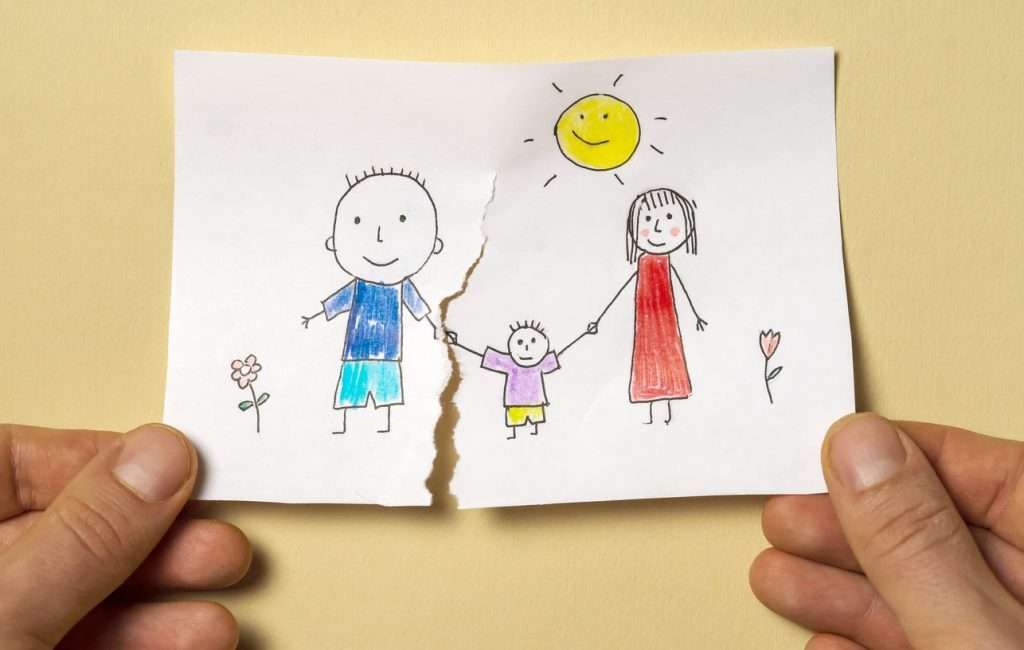
What is a Toxic Marriage?
We all want our marriages to be a source of love, support, and happiness, but sometimes, things don’t turn out the way we hoped. A toxic marriage
is when a relationship becomes harmful instead of helpful, making you feel worse rather than better. It’s like being stuck in a storm that never ends, where the relationship drains your energy, confidence, and joy. In a toxic marriage, one or both partners may feel trapped, unheard, or constantly on edge. It’s the opposite of what a healthy, loving relationship should be.
8 Signs of a Toxic Marriage
If you’re wondering whether your marriage has become toxic, here are some signs to look out for:
-
Constant Criticism
Everyone has flaws, but in a toxic marriage, those flaws are magnified and used as weapons. If your partner is constantly putting you down, pointing out your mistakes, or making you feel like nothing you do is ever right, it’s a big red flag. Over time, this can chip away at your self-esteem and make you doubt your worth.
-
Lack of Communication
Communication is the glue that holds relationships together. But in a toxic marriage, this glue seems to have lost its stickiness. You might find that meaningful conversations are rare, and when you do talk, it often ends in an argument or silent treatment. Without good communication, misunderstandings and resentment build up, creating a wall between you and your partner.
-
Emotional or Physical Abuse
Abuse is never okay, whether it’s emotional or physical. Emotional abuse
can look like manipulation, controlling behavior, or making you feel like you’re always wrong. Physical abuse is any form of violence or the threat of violence. If you’re experiencing abuse in your marriage, it’s vital to seek help immediately because no one deserves to live in fear or pain.
-
Disrespect of Boundaries
Healthy relationships respect each person’s boundaries. But in a toxic marriage, those boundaries are often ignored. Your partner might invade your privacy, make decisions without consulting you, or dismiss your opinions as unimportant. This lack of respect can make you feel like you don’t matter in your own relationship.
-
Feeling Trapped or Isolated
Do you feel like there’s no way out of your marriage? Toxic relationships often create a sense of entrapment, where you feel isolated from friends and family or convinced that you’re better off staying, even if you’re miserable. This feeling of being stuck is often reinforced by fear, guilt, or the belief that you can’t make it on your own.
-
Frequent Blame and Guilt
In a toxic marriage, blame becomes a tool for manipulation. Your partner might make you feel guilty for things that aren’t your fault or blame you for their own bad behavior. Over time, this can lead to self-doubt and make you feel like you’re always walking on eggshells, trying to avoid the next accusation.
-
Lack of Intimacy
Intimacy is about more than just physical closeness; it’s about feeling connected on an emotional level. In a toxic marriage, this connection is often missing. You might feel like you’re just going through the motions, living parallel lives without really sharing anything meaningful. This lack of intimacy
can lead to feelings of loneliness and disconnection. Remember, you are more than just roommates.
-
Excessive Jealousy or Control
Jealousy and control are signs of deep insecurity, not love. If your partner is constantly questioning your actions, monitoring your movements, or accusing you of things you haven’t done, it’s a sign that the relationship is toxic. This kind of behavior is suffocating and can make you feel like you’re living in a cage.
What Does a Toxic Marriage Look Like?
On the outside, a toxic marriage might look picture-perfect. You might smile for the cameras and act like everything is fine, but behind closed doors, it’s a different story. There’s a constant undercurrent of tension, resentment, and unhappiness. You might find yourself always on edge, afraid to speak your mind or be yourself. The love and respect that once existed have been replaced with hostility, contempt, and indifference. Over time, you may start to lose yourself, becoming a shadow of the person you once were.
How to Come Out of a Toxic Marriage
Leaving a toxic marriage isn’t easy, but it’s often the best thing you can do for your well-being. Here’s how to start the process:
-
Acknowledge the Problem
The first step in leaving a toxic marriage is recognizing that it’s unhealthy. This can be hard, especially if you’ve been making excuses for your partner’s behavior or convincing yourself that things will get better. But acknowledging the problem is the first step toward healing.
-
Find Support
You don’t have to go through this alone. Reach out to friends, family
, or a professional who can provide support. Consider working with a divorce coach
or life coach
who can guide you through the process and help you build the strength to move forward.
-
Create a Safety Plan
If your marriage is physically abusive, it’s essential to have a safety plan in place. This might include finding a safe place to stay, setting aside money, and having important documents ready. You might also want to consult with a divorce lawyer
to understand your legal options and ensure your safety.
-
Set Boundaries
Boundaries are crucial, especially if you’re planning to leave. This might mean limiting contact with your partner, cutting off communication, or setting clear rules for co-parenting if you have children. Boundaries help protect your emotional and mental well-being during this challenging time.
-
Focus on Your Well-Being
Take time to focus on yourself. This might include going to therapy, practicing self-care, or finding new hobbies that bring you joy. Remember, you deserve to be happy and healthy, and prioritizing your well-being is essential as you move forward.
What is Toxic Behavior in a Spouse?
Toxic behavior can take many forms, but some of the most common include:
- Manipulation:
Your partner uses guilt, fear, or intimidation to control you.
- Gaslighting:
Your partner makes you doubt your reality or perception of events.
- Control:
Your partner dictates your actions, choices, or who you can spend time with.
- Neglect:
Your partner ignores your needs, feelings, or boundaries.
- Disrespect:
Your partner consistently dismisses your opinions or feelings.
- Verbal Abuse:
Your partner uses insults, threats, or belittling language to demean you.
- Physical Abuse:
Your partner uses physical harm or the threat of it to control you.
These behaviors are harmful and create an environment where love and respect cannot thrive.
When Should You Finally Leave a Marriage?
Deciding to leave a marriage is never easy, but there are times when it becomes necessary:
- You’re in Danger:
If you or your children are in physical danger, it’s time to leave immediately.
- Your Mental Health is Suffering:
If your marriage is causing significant emotional or mental distress, it’s a sign that the relationship is harmful.
- There’s No Respect or Love Left:
If you no longer feel love or respect for your partner, and there’s no hope of rebuilding these feelings, it might be time to move on.
- You’ve Tried Everything:
If you’ve exhausted all options, including therapy, communication, and setting boundaries, but nothing has changed, it might be time to call it quits.
Why Can’t I Leave a Toxic Marriage?
Leaving a toxic marriage is tough, and there are several reasons why you might feel stuck:
- Fear of the Unknown:
The fear of being alone or starting over can be overwhelming.
- Financial Dependence:
If you rely on your partner for financial support
, leaving can seem impossible.
- Guilt or Shame:
You might feel guilty about leaving
or worry about what others will think.
- Emotional Attachment:
Despite the toxicity, you might still love your partner or feel a deep emotional connection.
It’s important to acknowledge these feelings and seek support to help you overcome them.
Is it Better to Leave a Toxic Marriage?
In most cases, leaving a toxic marriage is the best option for your well-being. Staying in a toxic relationship can have long-term negative effects on your mental and physical health, as well as your overall happiness. Leaving allows you to start fresh and build a healthier, happier life.
How to Know When to End a Toxic Marriage?
Knowing when to end a toxic marriage can be challenging, but here are some signs:
- You’re Unhappy More Often Than Not:
If the bad times far outweigh the good, it might be time to leave.
- There’s No Hope for Change:
If your partner is unwilling to work on the relationship, it’s unlikely that things will improve.
- You’ve Lost Yourself:
If you no longer recognize yourself or feel like you’ve lost your identity, it’s a sign that the marriage is unhealthy.