Key Points:
- After divorce, the objects around you, photographs, gifts, and furniture tied to the marriage can keep you trapped to a past that is no longer your present, and deciding what stays is emotional work as much as decorating.
- The redesign doubles as identity work.
Research on life after relationship loss finds that rediscovering independence and personal identity are among the most common forms of post-breakup growth, and your home is where that rediscovery becomes visible.
- This does not require a renovation budget. Paint, light, rearranged furniture, and honest editing transform a space, and it can unfold at your own pace. A
coach can help with the emotional side while you handle the aesthetic one.
Divorce, while painful, also presents an opportunity for personal reinvention and rediscovery, and as a designer, I can tell you where that reinvention becomes most tangible: your four walls. After the papers are signed and the boxes moved, you find yourself surrounded by a shared past. The couch you chose together. The paint color that was a compromise. The empty spots where their things used to be. Now is the perfect moment to create a personal sanctuary that reflects who you are and what you love, and this transformation isn't just about aesthetics. It's a genuine part of the healing process.
Your Space Shapes How You Feel (This Is Measurable)
Designers have always known that rooms affect moods. The research now backs it up. In a
study of couples' home tours published in Personality and Social Psychology Bulletin, researchers analyzed how people described their own homes, then tracked their cortisol, the body's primary stress hormone, over the following days. People whose descriptions ran to clutter and unfinished projects showed flatter, unhealthier cortisol patterns, while those who described their homes in restful, restorative terms showed the healthier profile. Your home, in other words, is not just where you recover from stress. It is either helping or quietly adding to it.
In the wake of a divorce, this matters because your home can still carry the emotions your past relationship. Objects hold memories, and memories in physical form get replayed every time you walk past them. Photographs, gifts, furniture, even a scent or a color scheme can unconsciously return you to unwanted feelings. Sifting through these is essential, and it is real work: some items need to go not because they are ugly but because they hold you back from moving forward.
Start With an Honest Edit
Redefining your space starts with subtraction, and I encourage clients to make it a conscience project rather than an ambush on a mad Sunday. Move through your home with three boxes in mind: keep, store, release.
Keep what serves your new life or brings you uncomplicated joy. Release what anchors you to a past that's no longer your present. And use the storage box generously for everything in between, because grief plays tricks on judgment, and the wedding album you cannot look at today may be something you, or your children, treasure in ten years. Boxing it and placing it out of sight gives you the emotional relief now without the irreversible decision. One practical caution: if your divorce is not yet final, check with your attorney before tossing anything that might count as shared property.
This edit is not about erasing your history. It is about finding what serves your new life phase. Clutter itself, separate from its emotional weight, is associated with stress and lower wellbeing, so the edit lightens the room in both senses. If the sorting feels overwhelming, our guide to
decluttering with a coach's support covers how to get help with exactly this.
Bring Yourself Back Into the Room
Now the rewarding part. Changing your space means aligning it with your personal identity and interests, many of which might have been overshadowed during your relationship. Did you not display your collection of vintage records or put away your art supplies because your partner didn't share your enthusiasm? Did every design decision pass through a compromise filter for so long that you've forgotten what you actually like? Now is the time to bring those back into the light.
This is more than decorating.
Research on growth after relationship loss finds that rediscovering independence and a stronger sense of personal identity are among the most common gains people report, and your home is where that rediscovery becomes something you can see and touch daily. Every object you choose because you love it, with no one to consult, is a small win for the "I" in your new chapter.
A few designer's suggestions for finding your way back to your own taste:
- Start with what you already reach for. Look at the clothes you love, the places that make you exhale, the images you save on your phone. Your palette and style are already in there.
- Rearrange before you buy. Furniture placement is free, and simply reorienting a room around your solo lifestyle, the reading chair by the window instead of the TV arrangement built for two, changes how the space feels immediately.
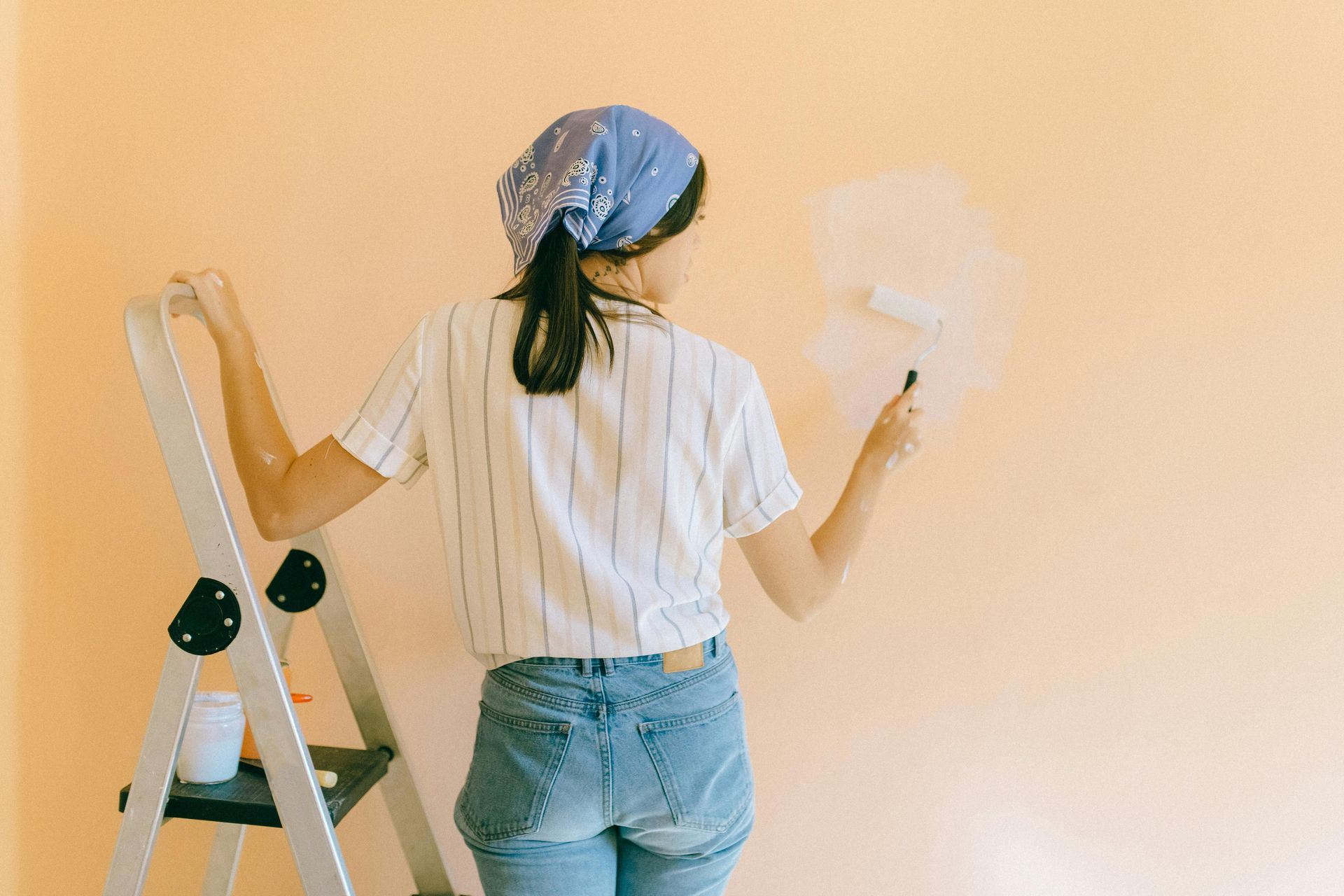
- Paint is the biggest transformation per dollar in all of design. A weekend and a few gallons in a color you chose alone can make a room feel like new territory rather than old ground.
- Layer in light. Swap harsh overheads for lamps, open the window treatments, add a mirror opposite a window. Light changes mood faster than furniture ever will.
Embracing New Additions
Incorporating new elements into your home can signify the new chapter you are embarking on. This might involve investing in art that inspires you or speaks to your newfound freedom. Art has a profound ability to transform a space and can reflect nuanced aspects of your personality.
Martine Chaisson, a New Orleans gallery owner, puts it beautifully: "Your home should be a reflection of your soul; each piece of art, each color on the wall, and every piece of furniture should resonate with who you are and who you aspire to be." Original art is more accessible than many people assume, and
galleries representing emerging artists offer pieces at a range of price points, but so are prints, photography, and the piece you make yourself in the pottery class you finally signed up for.
Your personal space will always benefit from more photographs of friends and family, the supportive network around you. These reminders of family, friendship and love will help define your new space.
Something I say to every client: buy at least one thing that is unapologetically you. The velvet chair in a color your ex would have vetoed. The bold wallpaper. The record player in the living room. It becomes the anchor of the new space and, honestly, a little monument to your freedom.
The Healing Power of Taking Control
As you shift from "we" to "I," your home becomes ground for healing, and here is the psychology underneath why redesigning feels so therapeutic. Divorce strips away control: the timeline, the finances, sometimes even where you live get decided in negotiation with lawyers and an ex.
Research links a sense of control to lower stress, and your space is one domain where you have total control. Nobody else gets a vote on your paint color anymore. Each decision, however small is yours.
Making your space your own again is also an exercise in boundary-setting, not just physically but emotionally. It's about recognizing and affirming your needs, desires, and personal growth, and it pairs with the
boundary work that healthy post-divorce life requires. Your space should not just be a place to live, but a canvas for expressing yourself.
Moving Forward, Room by Room
While the journey through and beyond divorce can feel overwhelming, redesigning your space provides a way to reclaim your individuality and independence. It's about celebrating the person you are becoming, with each choice in decor affirming your identity and your embrace joy.
This process doesn't have to be done overnight, and as a designer I would actively advise against trying. Start with the bedroom, the room where your nervous system does its recovering, then let the rest unfold as you do, as you rediscover old interests and develop new ones. Small,
finished projects beat grand stalled ones: one repainted room you love outperforms a whole-house plan that never leaves the Pinterest board.
This time in your life opens the door to personal growth, and the
research on post-traumatic growth shows that new possibilities and greater personal strength come from life's hardest transitions. You aren't just redecorating, you are setting the stage for the next stage of your life. Your home is your haven, and it should celebrate and support your journey wherever it may lead.
Frequently Asked Questions
Where should I start redecorating after divorce? Start with your bedroom. It's where you begin and end every day, it's the room most intimately tied to the marriage, and transforming it delivers the biggest emotional return. New bedding, a rearranged layout, and paint in a color that's entirely yours can be done in a weekend on a modest budget. Then move outward one room at a time, finishing each before starting the next.
What should I do with photos and mementos from my marriage? Use a keep, store, release system, and lean on the storage option generously. Grief distorts judgment, so anything you're unsure about goes in a box, out of sight but not destroyed, to be re-decided in a year. Items with your children's history deserve extra caution, since they may treasure them someday. And if your divorce isn't final, ask your attorney before disposing of anything that could count as shared property.
How do I make my home feel like mine on a small budget? The highest-impact moves are nearly free: rearrange furniture around your life instead of the old shared one, paint (the biggest transformation per dollar in design), improve lighting with lamps and mirrors, and edit out clutter and painful objects. Add personality through what you already own but never displayed, plus thrifted and secondhand finds. One bold, inexpensive statement piece you chose alone does more than a room of new neutral furniture.
Why does redecorating after divorce feel so emotional? Because your home is memory in physical form. Objects and rooms replay the past every time you encounter them, and research shows the character of your home tracks with your daily stress physiology, so a space full of painful anchors keeps your system activated. Redecorating means handling those memories one by one, which is genuine grief work. That's also why it helps: each decision processes a piece of the past and asserts control over the future.
Should I move out or make my current home my own? It depends on factors beyond decorating: finances, children's stability, and what the settlement allows. If you stay, transformation matters more, not less, because the house holds the most memories; changing bedrooms, repainting, and rearranging can genuinely make a former marital home feel new. If you move, resist recreating the old house in the new one. Either way, the goal is the same: a space designed around who you are now.
Related reading:
De-Cluttering Your Home: 10 Benefits of Engaging a Life Coach |
Starting Over: Life After Divorce