Key Points:
- Mom guilt is nearly universal: 70% of new mothers report pressure to parent a certain way, and Pew finds mothers feel more judged and more stressed than fathers.
- The guilt comes from measuring yourself against the "intensive mothering" ideal, an impossible standard that social media amplifies but didn't create.
- Research shows children benefit from "good enough" parenting with ordinary, repaired mistakes. Perfection was never the assignment.
- Self-compassion is the evidence-backed antidote, linked to lower parental guilt and better emotional recovery after divorce.
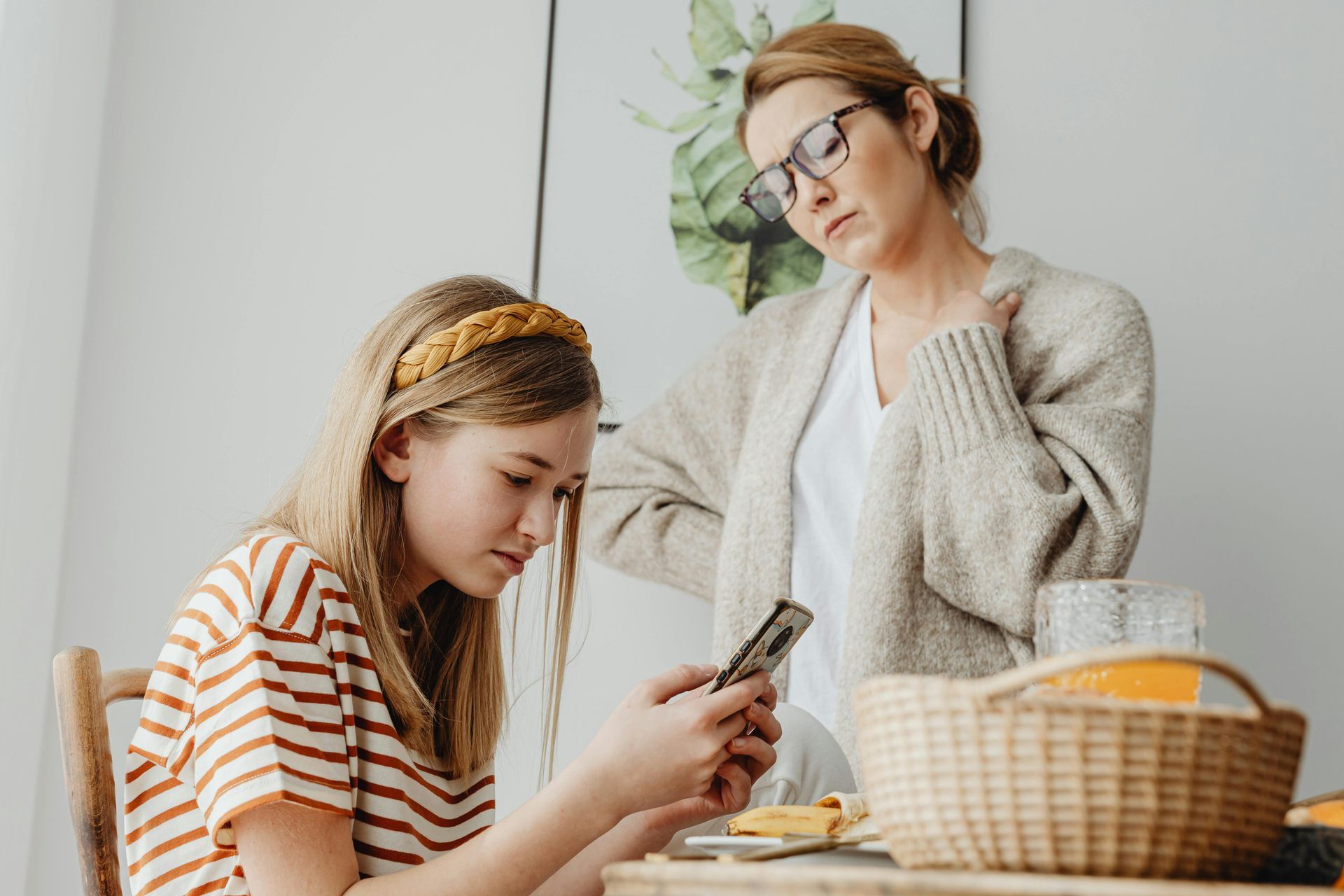
The feeling usually arrives at night. The kids are finally asleep, you're scrolling your phone, and someone else's kitchen is spotless, their toddler is smiling in coordinated linen, and their caption says something about gratitude. You yelled about shoes this morning. Dinner was cereal. The question forms before you can stop it: am I a bad mom?
Here's what two decades of research says about that question, and why the feeling is so common it has its own literature.
Mom guilt is nearly universal, and it's measurable
A survey commissioned by TIME found that 70% of new mothers felt pressure to parent a particular way, and most reported disappointment or shame about how it was actually going. A 2023 Pew Research Center study of nearly 4,000 parents found mothers were more likely than fathers to say parenting is tiring (47% vs. 34%) and stressful (33% vs. 24%) all or most of the time, and more likely to feel judged for their parenting by nearly everyone: their own parents, their in-laws, other parents.
Researchers Anna Rotkirch and Kristiina Janhunen, who analyzed hundreds of mothers' written accounts of guilt, found the feeling is rooted in a self-evaluation against expectations no one can meet: the belief that a good mother anticipates and satisfies every need her child has. Guilt, in other words, isn't evidence of bad mothering. It's evidence of measuring yourself against an impossible standard, which is what most mothers do.
If you're going through a divorce, the standard gets harsher. A 2023 study of 347 divorced single mothers found that internalizing society's judgment of single-parent families (the researchers call it self-stigma) directly damaged mental health, producing feelings of failure, shame, and guilt. The mothers who fared best were the ones who refused to absorb the stereotype. The guilt you feel after divorce isn't a verdict on your parenting. Much of it is borrowed from a culture that still treats single-parent homes as lesser, despite decades of evidence that family process matters more than family form.
Where the impossible standard comes from
Sociologist Sharon Hays named it in 1996: "intensive mothering," the cultural belief that mothering should be child-centered, expert-guided, emotionally absorbing, and endlessly self-sacrificing. It's the water American mothers swim in, and it predates Instagram.
Social media just poured gasoline on it. A survey of 1,000 mothers found 72.5% compare themselves to other moms on social platforms. Pew found 28% of mothers on social media feel pressure to post only their "good parent" moments, which means the feeds you're comparing yourself to are curated by people feeling the same pressure you are. Everyone's photographing the ten good seconds and cropping out the tantrum.
The cost isn't just a bad mood. A 2018 study in Frontiers in Psychology by Loes Meeussen and Colette Van Laar found that pressure to be a perfect mother predicts parental burnout, and related research links perfectionistic pressure to increased guilt, lower confidence in your own parenting, and higher stress, even among mothers who don't personally believe in the perfect-mom ideal. You don't have to buy the standard for it to hurt you. You just have to be surrounded by it.
Is feeling like a failure normal?
Yes, and the feeling is a poor measure of reality. Pediatrician and psychoanalyst Donald Winnicott made this point in the 1950s with his concept of the "good enough mother." His argument, since supported by attachment research, was that children don't need perfect parents and actually benefit from ordinary, repairable failures. A parent who misses a cue, apologizes, and reconnects teaches a child that relationships survive mistakes. Perfection was never the assignment.
There's also a useful asymmetry to notice: parents who genuinely neglect their children rarely lie awake worrying about it. Self-reflection, guilt, the drive to do better tomorrow, these are traits of engaged parents. The question "am I a bad mom?" almost only occurs to good ones.
What actually helps
Not affirmations. The intervention with the strongest evidence is self-compassion, which psychologist Kristin Neff defines as three practices: treating yourself with the kindness you'd offer a friend, recognizing that struggle is part of the shared experience of parenting rather than your personal defect, and observing hard feelings without drowning in them.
The evidence is specific. A 2019 study by Fuschia Sirois and colleagues found self-compassion was linked to lower parental guilt and shame and higher well-being, precisely because it interrupts the harsh self-evaluation that produces guilt in the first place. And for divorcing mothers, a University of Arizona study published in Psychological Science followed 105 divorced adults for nine months and found that those who spoke about their divorce with self-compassion showed less distress and more positive emotion over time, while the self-critical group declined in self-esteem and optimism. How you talk to yourself about the hard season predicts how you come out of it.
A few concrete moves the research supports:
Curate your feed like it's your mental health, because it is. Mute the accounts that reliably trigger comparison. The highlight reels aren't information about real families; they're marketing.
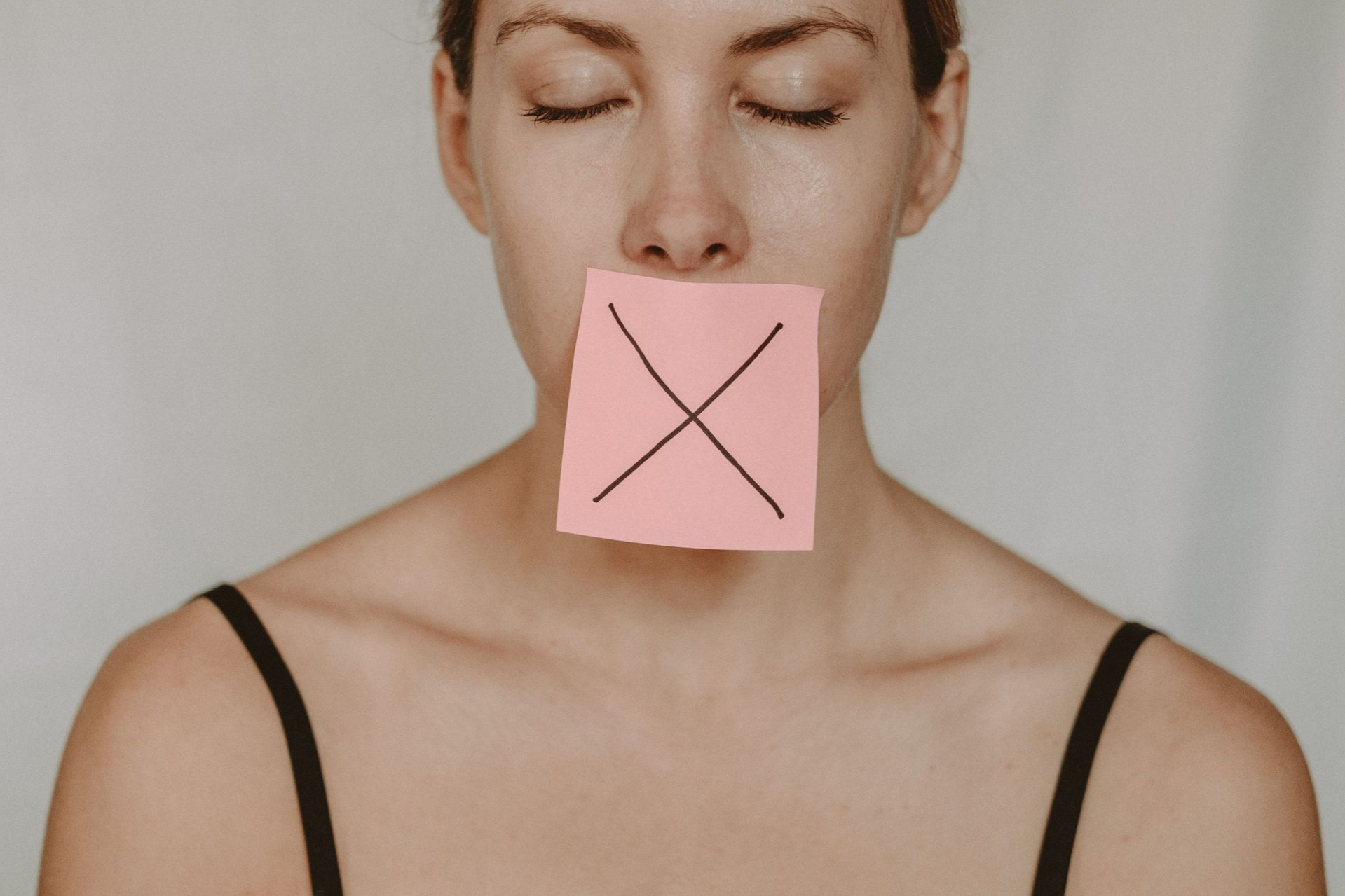
Name the feeling out loud to other parents. Rotkirch's research found guilt thrives in silence and isolation. Saying "I lost it this morning and I feel terrible" to another mother almost always gets you "oh, me too," and that common-humanity moment is self-compassion in action, not just venting.
Repair instead of ruminating. When you snap at your kid, a short, honest apology does more for them (and for you) than an evening of self-punishment. Rupture and repair is a skill children need to see modeled.
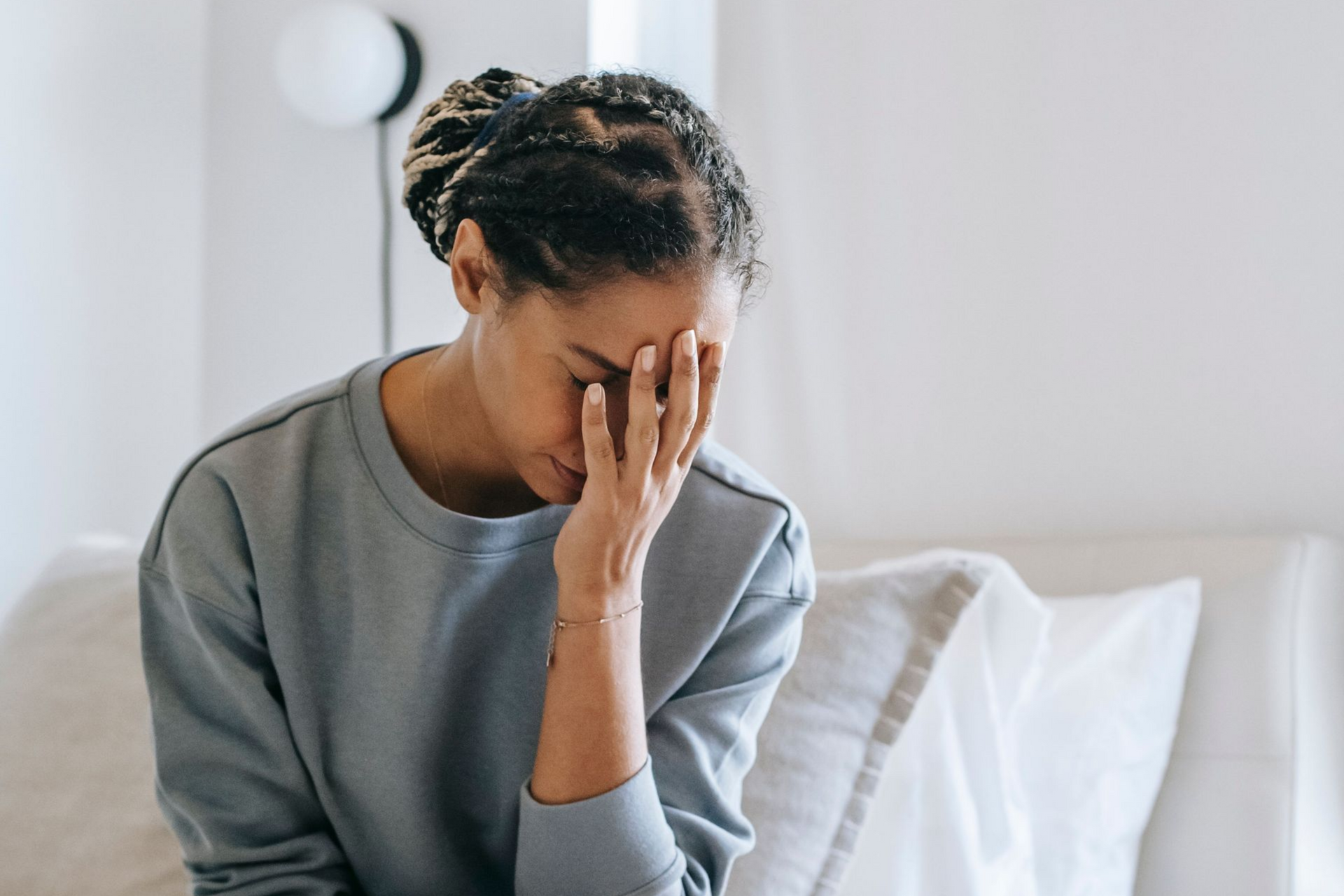
Watch for the line between guilt and something heavier. Ordinary mom guilt comes and goes. If the self-criticism is constant, if you've lost interest in things you used to enjoy, or if the "bad mom" thoughts feel relentless rather than occasional, that pattern is worth bringing to a therapist or your doctor. Persistent, intrusive guilt is a common feature of postpartum and situational depression, and it's treatable.
And if you're parenting through a divorce, get support built for that. A parenting coach or a therapist who works with divorcing families can help you separate what's actually yours to fix from what's just the stigma talking.
How do I know if I'm a good mom?
Lower the bar to where the evidence puts it. Your children need to be safe, fed, loved, and repaired with when things go wrong. They need a mother who shows up, not one who never falters. Thirty years from now, your kids won't remember the cereal dinner or the shoe incident. They'll remember whether home felt like a place where people loved each other and mistakes were survivable.
By that standard, the fact that you're reading an article at 11 p.m. worrying about whether you're doing right by them is its own answer.
Frequently Asked Questions
Is it normal to feel like a bad mom?
Yes, statistically and psychologically. A TIME survey found 70% of new mothers felt pressure to parent a certain way, most with accompanying shame or disappointment, and Pew research shows mothers feel judged for their parenting more than fathers do across nearly every relationship. Researchers who study maternal guilt find it stems from comparing yourself to an impossible standard, not from actual deficits in your parenting.
Why do I feel like a failure as a mom?
Usually because the measuring stick is broken. The cultural ideal sociologists call "intensive mothering" demands child-centered, self-sacrificing, expert-level parenting at all times, and research shows pressure to meet it predicts burnout, guilt, and lower parenting confidence even in mothers who don't personally believe in it. Social media makes it worse: 72.5% of moms compare themselves to other mothers online, mostly against curated highlight reels.
Does feeling guilty mean I'm actually a bad parent?
No, and often the opposite. Guilt requires self-reflection and a desire to do better, which are traits of engaged parents. Genuinely neglectful parents rarely lose sleep asking whether they're doing enough. The question "am I a bad mom?" almost exclusively occurs to good ones.
Is mom guilt worse after divorce?
Research says yes, and explains why. A 2023 study of divorced single mothers found that internalizing society's stigma about single-parent families directly produced feelings of failure, shame, and guilt, and damaged mental health. The mothers who did best were the ones who rejected the stereotype rather than absorbing it. Post-divorce guilt is often borrowed from cultural judgment, not earned by your parenting.
How do I stop feeling like a bad mom?
The intervention with the strongest evidence is self-compassion: treating yourself with the kindness you'd give a friend, remembering that struggle is universal among parents, and noticing hard feelings without spiraling. Studies link it to lower parental guilt and shame, and a Psychological Science study found self-compassion predicted better emotional recovery after divorce. Practical versions include curating your social feeds, saying the guilt out loud to other parents, and repairing after mistakes instead of ruminating on them.
What is a "good enough mother"?
Pediatrician and psychoanalyst Donald Winnicott's term for the parent children actually need. His work, backed by later attachment research, showed kids benefit from ordinary parental failures that get repaired, because rupture and repair teaches them relationships survive mistakes. A mother who misses a cue, apologizes, and reconnects is doing developmentally valuable work, not falling short.
How do I know if I'm a good mom?
Use the evidence-based bar, not Instagram's. Kids need to be safe, fed, loved, and repaired with when things go wrong. They need presence and consistency, not perfection. If you're providing those things and still worrying whether it's enough, the worrying itself is a sign of the engagement good parenting requires.
When is mom guilt a sign of something more serious?
When it stops coming and going. Occasional guilt after a rough day is normal. Constant self-criticism, relentless "bad mom" thoughts, loss of interest in things you used to enjoy, or guilt that feels intrusive rather than situational can be features of postpartum or situational depression. That pattern deserves a conversation with a therapist or your doctor, and it responds well to treatment.